
coming up
Sat 5 September, 4-5:30PM // Members’ Event - Studio visit: Wendy McMurdo
Sat 19 September, 11AM - 4PM // PROTOTYPE Open Studio
Wed 7 October, 9:30-11AM // Monthly Photography Breakfast
Sun 25 October, 10:30-11:30AM // READERS 3.2 (in-person) - The Bookless Bookclub @ Tills Bookshop
Wed 4 November, 9:30-11AM // Monthly Photography Breakfast
Wed 18 November, 7:30-9:30PM // FILM UND FOTO KLUB: Peter Hujar’s Day
Wed 2 December, 9:30-11AM // Monthly Photography Breakfast
Sat 5 December, 11AM - 4PM // PROTOTYPE Open Studio

photo breakfast // first wednesday of every month
9:30-11am, pop coffee (grindlay street)
We miss having a direct line to the wider photo public and are big fans of breakfast, so are organising a monthly photography brunch open to everyone. Join us in the Atrium underneath our studio from 9:30-11AM where we'll provide basic hot beverages and something tasty to munch.
A great opportunity to have a blether about your works-in-progress, celebrate your triumphs, bemoan the broken systems of the world and know that in the comfort of caffeine and buttery pastry you'll at least not be alone. Free, all welcome, you can book here if you'd like an email reminder.
Image on left: Christina Webber, 2021
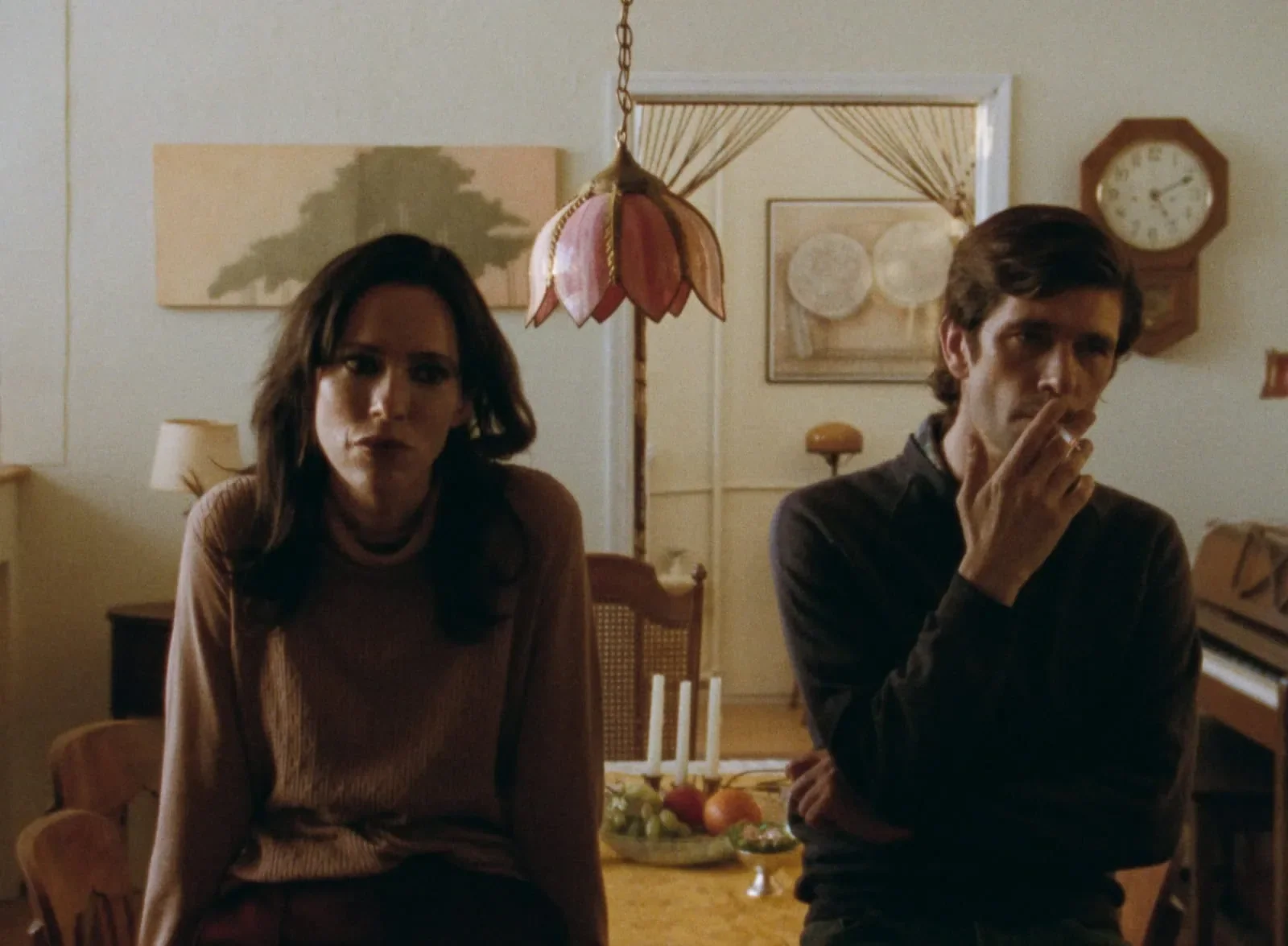
Film und FOTO KLUB // PETER HUJAR’S DAY
weds 18 november, 7:30-9:30pm
Join us for the final FILM UND FOTO KLUB of the year taking place at The Banshee Labyrinth, screening Peter Hujar’s Day (2025) directed by Ira Sachs.
Film copy // Ben Whishaw and Rebecca Hall star in the stunning new film from Ira Sachs, a richly cinematic rendering of the meeting of acclaimed photographer Peter Hujar and writer and artist Linda Rosenkrantz.
Recorded in 1974, Hujar describes the routines and rituals that define an artist's life, capturing a single day's activities in touching and funny detail: from interactions with cultural icons of the day, including Allen Ginsberg, William S. Burroughs and Susan Sontag, to the texture and energy of downtown New York in its heyday.
Both elegant and intimate — and a dazzling showcase for the two performers at its centre — PETER HUJAR’S DAY is both a masterful portrait of a time and place and a captivating film about the way art emerges from the intimate details of everyday life.
BOOK A SPOT HERE
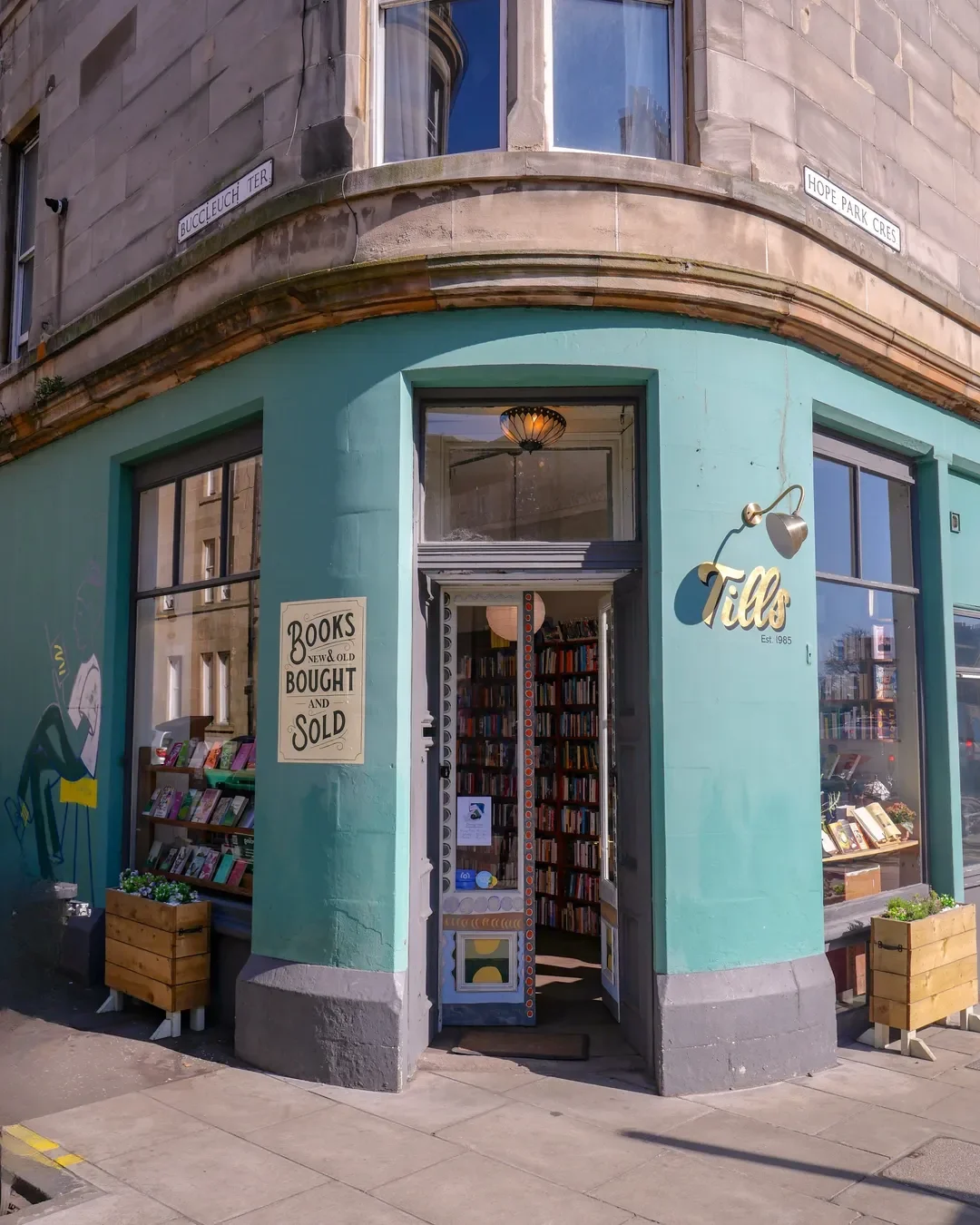
readers 3.2 // The Bookless Bookclub
sun 25 october, 10:30-11:30am
As part of our collaboration with Tills Bookshop on the Readers of Edinburgh competition, we are delighted to be hosting a session of the bookshop's regular Bookless Bookclub for this year's READERS.
We will be choosing the texts with our usual focus on photography and visual culture and, as per their usual format, there is no prior reading to be done before the meet-up! We will all read it together on the day and then wrangle, discuss and unpick the texts afterwards as a group. No Homework Required!
We know how tricky it can be to find time to read the text, understand the text and feel prepared enough to then come along to a group and talk about it. READERS was designed with this in mind, and seeks to be accessible, regardless of academic background, and to create a space that feels safe and comfortable enough to read and discuss a text even if (and especially if!) you've struggled with its content.
The Bookless Bookclub echos that same ethos and is a perfect entry way into a reading group and, hopefully, be inspired to keep up the reading. You will also get a chance to see the exhibition of the winners of the READERS of EDINBURGH competition, that will be on show in the shop from October through to the end of the year.